March 12, 2026
Managing waste in apartment buildings presents unique challenges. With dozens—or even hundreds—of residents generating trash daily, property managers must find solutions that are efficient, sanitary, cost-effective, and environmentally responsible. Overflowing dumpsters, unpleasant odors, pest problems, and frequent waste pickups can quickly become operational headaches.
Apartment building compactors offer a practical and highly effective answer. By compressing trash into smaller, more manageable loads, these systems streamline waste handling and improve overall property management. Below are 13 key benefits of installing compactors in apartment buildings and why they are becoming an essential feature in modern multi-family housing.
1. Significant Reduction in Waste Volume
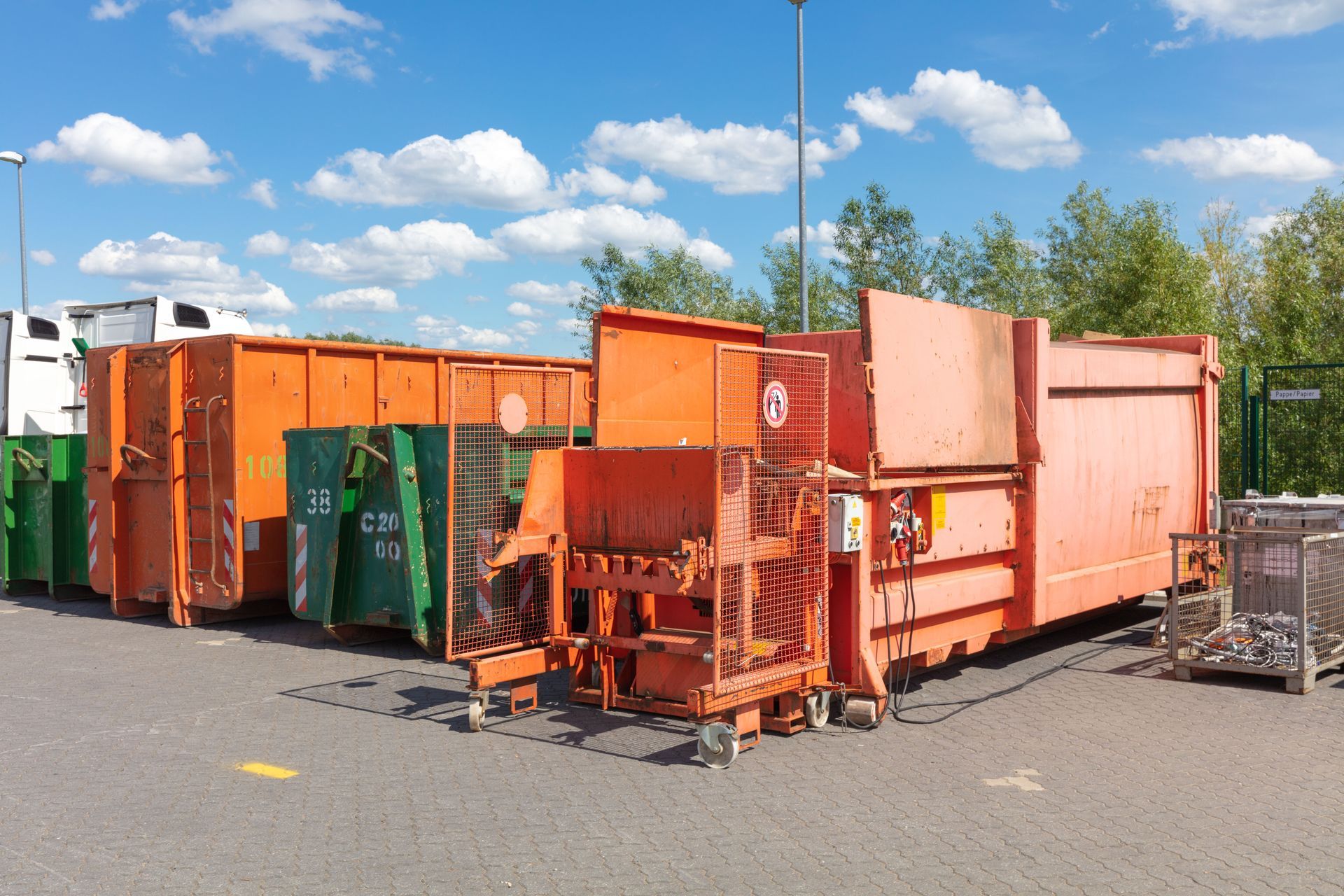
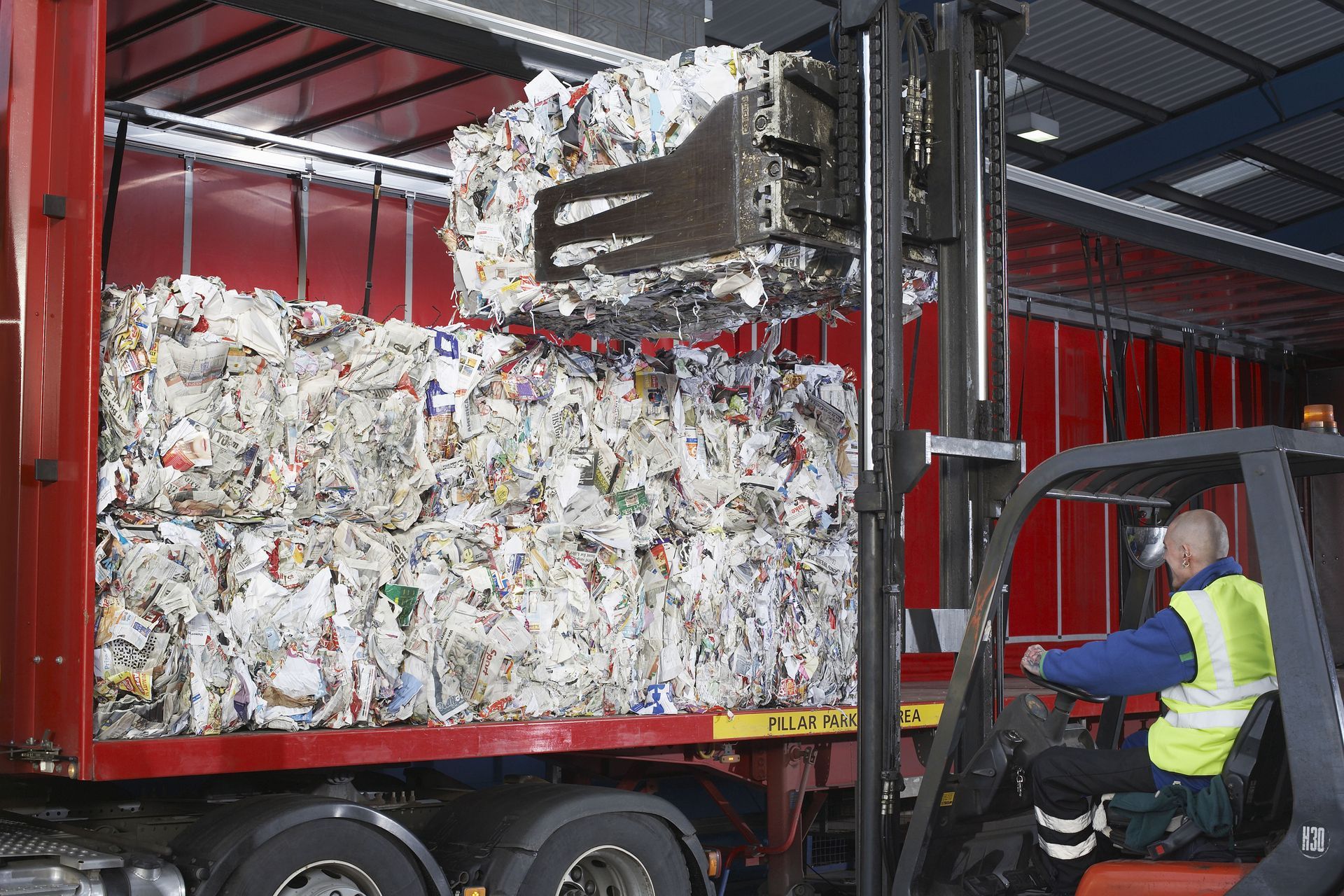
One of the most compelling benefits of apartment building compactors is their ability to dramatically reduce waste volume. Instead of allowing trash to accumulate loosely in dumpsters, compactors compress materials into dense, tightly packed loads.
According to Waste360, the use of apartment building compactors reduces building waste volume by up to 60%. This reduction means fewer overflowing bins, better use of available space, and more efficient disposal processes. By minimizing the physical footprint of waste, property managers can maintain cleaner and more organized trash areas.
2. Fewer Waste Hauling Pickups
When trash volume is reduced, fewer pickups are required. Without a compactor, dumpsters may need to be emptied multiple times per week. With compacted waste, collection frequency often decreases significantly.
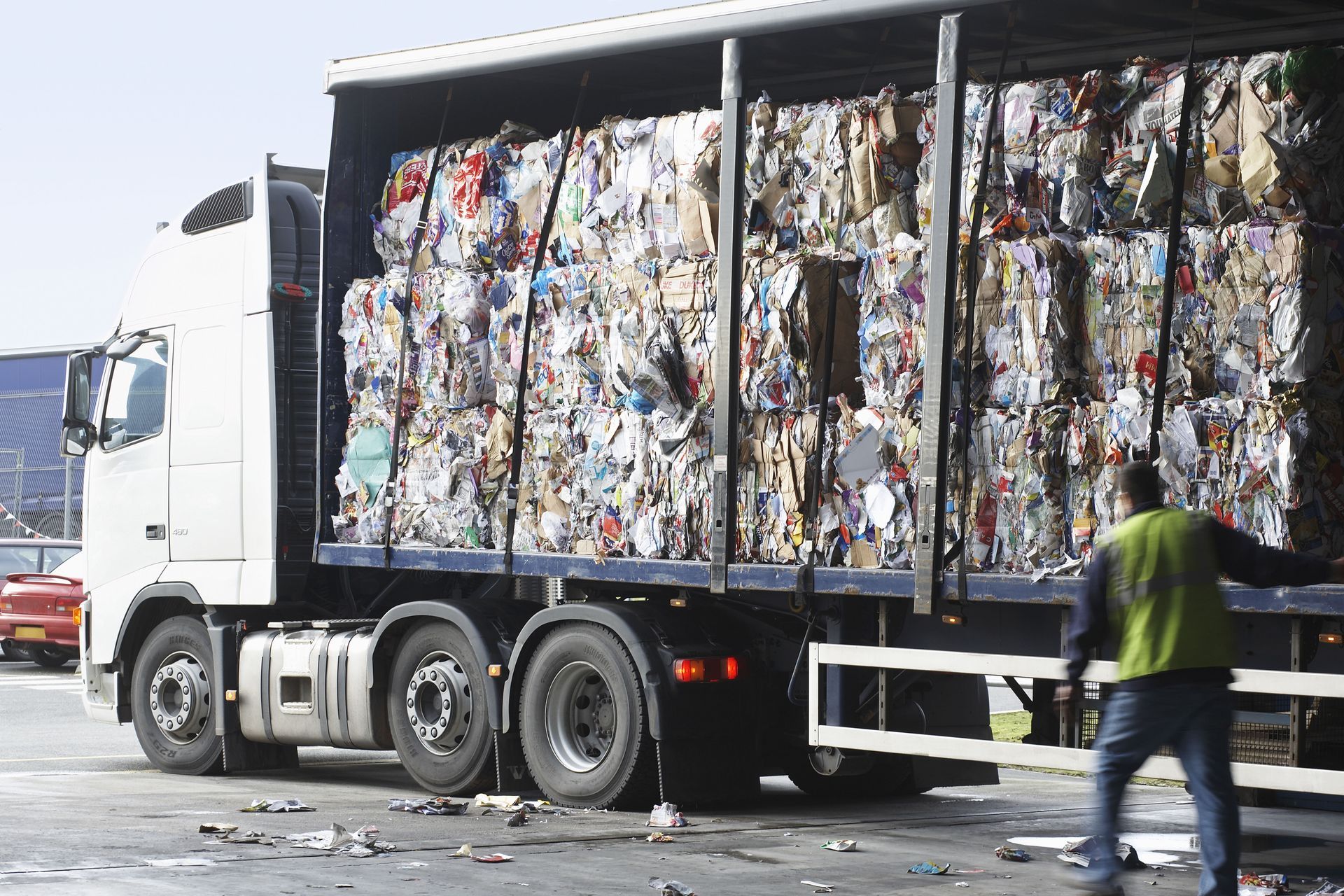
Fewer hauling trips translate to reduced transportation costs and lower service fees. Over time, these savings can offset the initial investment in the compactor system. Additionally, fewer trucks entering and exiting the property means less disruption for residents and reduced traffic congestion in tight parking areas.
3. Lower Waste Management Costs
Cost control is a top priority for apartment owners and property managers. Compactors help reduce operational expenses in several ways. Beyond lowering hauling frequency, they reduce labor demands for staff who would otherwise manage overflowing bins and scattered debris.
By consolidating waste into fewer loads, property managers may also negotiate more favorable contracts with waste collection providers. Long-term savings can be substantial, particularly in large multi-family communities where waste output is high.
4. Improved Sanitation and Cleanliness
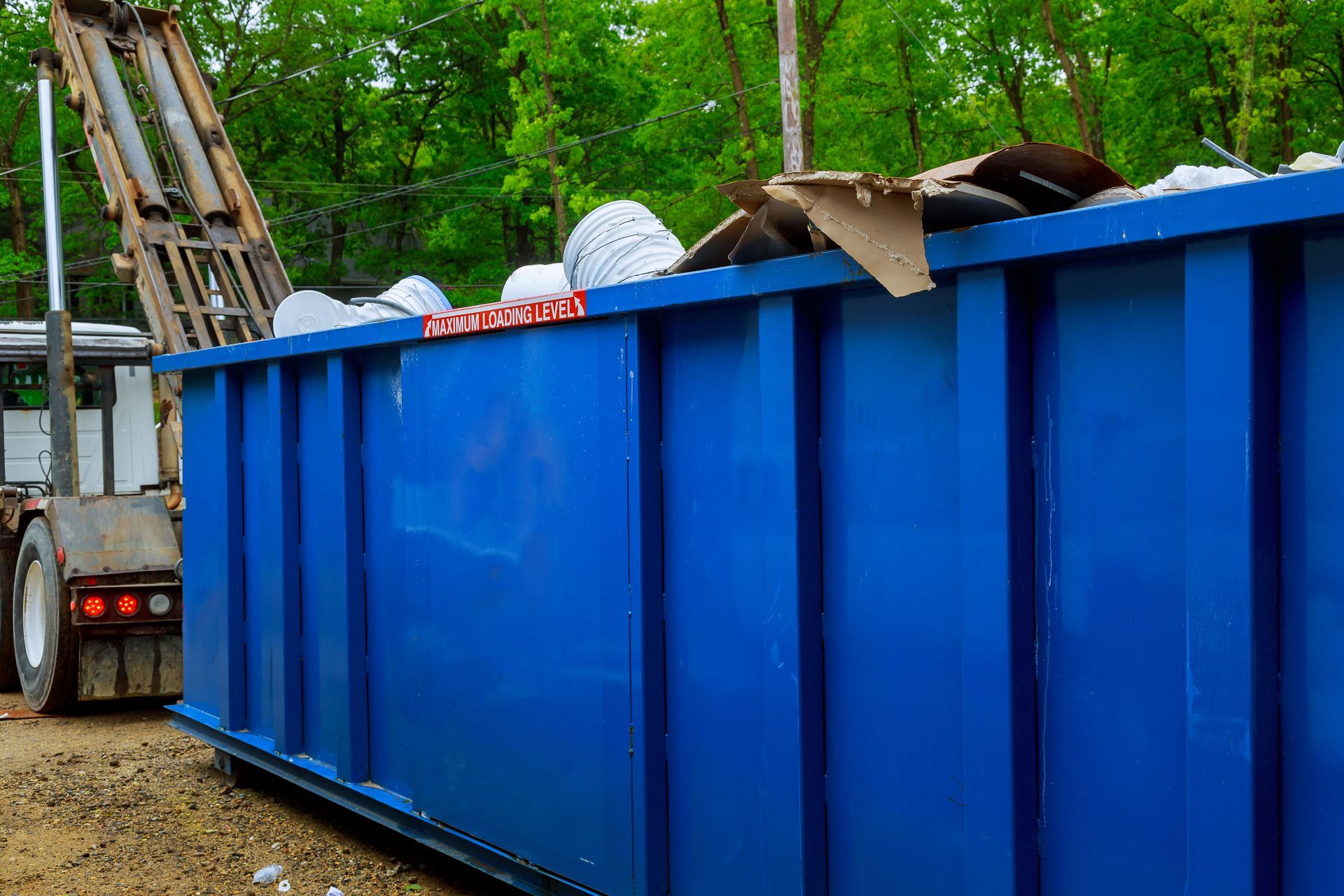
Loose trash sitting in dumpsters often leads to unpleasant odors, spills, and unsightly messes. Compactors seal and compress waste within a contained unit, limiting exposure to open air and surrounding areas.
This containment helps maintain a cleaner waste disposal zone and reduces the risk of trash being blown around by wind. Residents are far less likely to encounter overflowing bins or scattered garbage, improving their overall living experience and perception of the property.
5. Enhanced Pest Control
Unsecured waste is an open invitation for pests such as rodents, raccoons, insects, and stray animals. Traditional dumpsters that overflow or remain partially open can quickly become breeding grounds for infestations.
Compactors limit access to trash by enclosing it within a sealed system. By reducing odor and restricting entry points, compactors make properties less attractive to pests. This proactive approach supports better sanitation standards and helps property managers avoid costly extermination services.
6. Increased Safety for Residents and Staff
Overflowing dumpsters and loose trash create safety hazards. Spilled liquids can cause slippery surfaces, and improperly stacked garbage bags may block walkways or fire lanes. Compactors help maintain orderly waste areas, reducing tripping hazards and potential injuries.
Additionally, staff members benefit from handling fewer loose bags and making fewer trips to external dumpsters. By centralizing and automating waste compression, compactors decrease manual handling, improving workplace safety and efficiency.
7. Better Use of Limited Space
Urban apartment complexes often operate with limited outdoor space. Multiple dumpsters can occupy valuable real estate that might otherwise serve as parking, landscaping, or amenity areas.
Because compactors significantly reduce waste volume, fewer containers are needed. Some properties may even eliminate extra dumpsters altogether. Reclaiming this space enhances the property’s layout and can improve both aesthetics and functionality.
8. Improved Resident Satisfaction
Cleanliness and convenience are major factors in resident retention. When trash areas are consistently tidy and odor-free, tenants notice. A well-maintained waste management system reflects positively on overall property management.
Compactors also simplify the disposal process for residents. Instead of struggling to fit bags into overflowing bins, tenants can easily deposit trash into a centralized system. This streamlined experience contributes to higher satisfaction levels and strengthens a building’s reputation.
9. Environmental Responsibility and Sustainability
Sustainability is increasingly important to both residents and property owners. By reducing waste volume and minimizing hauling trips, compactors contribute to lower fuel consumption and reduced carbon emissions.
Fewer collection trips mean fewer trucks on the road, which helps decrease greenhouse gas output. Additionally, compacted waste is easier to transport efficiently, supporting broader environmental goals. For properties seeking green certifications or eco-friendly branding, compactors align with responsible waste management practices.
10. Streamlined Operations for Property Management
Managing a multi-family property involves balancing numerous responsibilities, from maintenance to tenant relations. Waste management should not become a constant source of stress. Compactors automate and simplify trash handling, allowing property managers to focus on other priorities.
Modern compactor systems are designed for durability and ease of operation. With proper maintenance, they provide reliable performance year-round. Some units even include monitoring features that alert staff when containers are nearing capacity, ensuring timely pickups without guesswork.
11. Reduced Liability Risks
Apartment buildings face potential liability issues related to overflowing trash, debris in common areas, and pest problems. Loose garbage can create slip-and-fall hazards or attract vermin, putting both residents and staff at risk. By compressing waste into a contained system, compactors minimize these hazards and maintain a safer environment throughout the property.
Additionally, keeping trash areas organized and sanitary demonstrates proactive management. Property owners show they are taking preventive measures to avoid accidents or complaints. This can reduce the likelihood of legal disputes, protect the building’s reputation, and limit financial exposure from avoidable incidents.
12. Enhanced Property Value and Marketability
Clean, well-maintained waste facilities can enhance a building’s marketability. Prospective tenants notice organized trash areas and reduced odors, which reflect overall property care. Apartment building compactors contribute to a perception of professionalism and efficiency, making the property more appealing to renters.
Beyond attracting tenants, compactors can boost long-term property value. Reduced operational costs, fewer pickups, and improved resident satisfaction strengthen financial performance. Investors and buyers often view modern waste management systems as a sign of a well-managed, forward-thinking property, adding both tangible and intangible value.
13. Long-Term Value
Although installing a compactor requires upfront investment, the long-term value is clear. Reduced hauling fees, lower labor costs, improved sanitation, and enhanced resident satisfaction all contribute to a strong return on investment.
In competitive rental markets, operational efficiency can directly impact profitability. Properties that adopt modern waste management solutions position themselves as forward-thinking and responsive to tenant needs. Over time, the financial advantages compound.
Apartment building compactors are transforming how multi-family properties manage waste. By reducing waste volume, cutting costs, improving sanitation, and enhancing sustainability, these systems address many of the common challenges associated with high-density living. For apartment owners and property managers seeking smarter operations, compactors represent a practical, forward-looking investment. Based out of Pompton Lakes, NJ, our team at GP Systems Inc offers over five decades of industry experience serving the NJ, CT, and Eastern PA area. We're fully insured and certified. Request a free estimate today!