January 30, 2026
Understanding the intricacies of linen chute installation is crucial for optimizing efficiency and safety in large facilities. This article explores effective strategies for implementing linen chutes, addressing design considerations, compliance requirements, and technology integration.
Understanding Linen Chute Design and Architecture
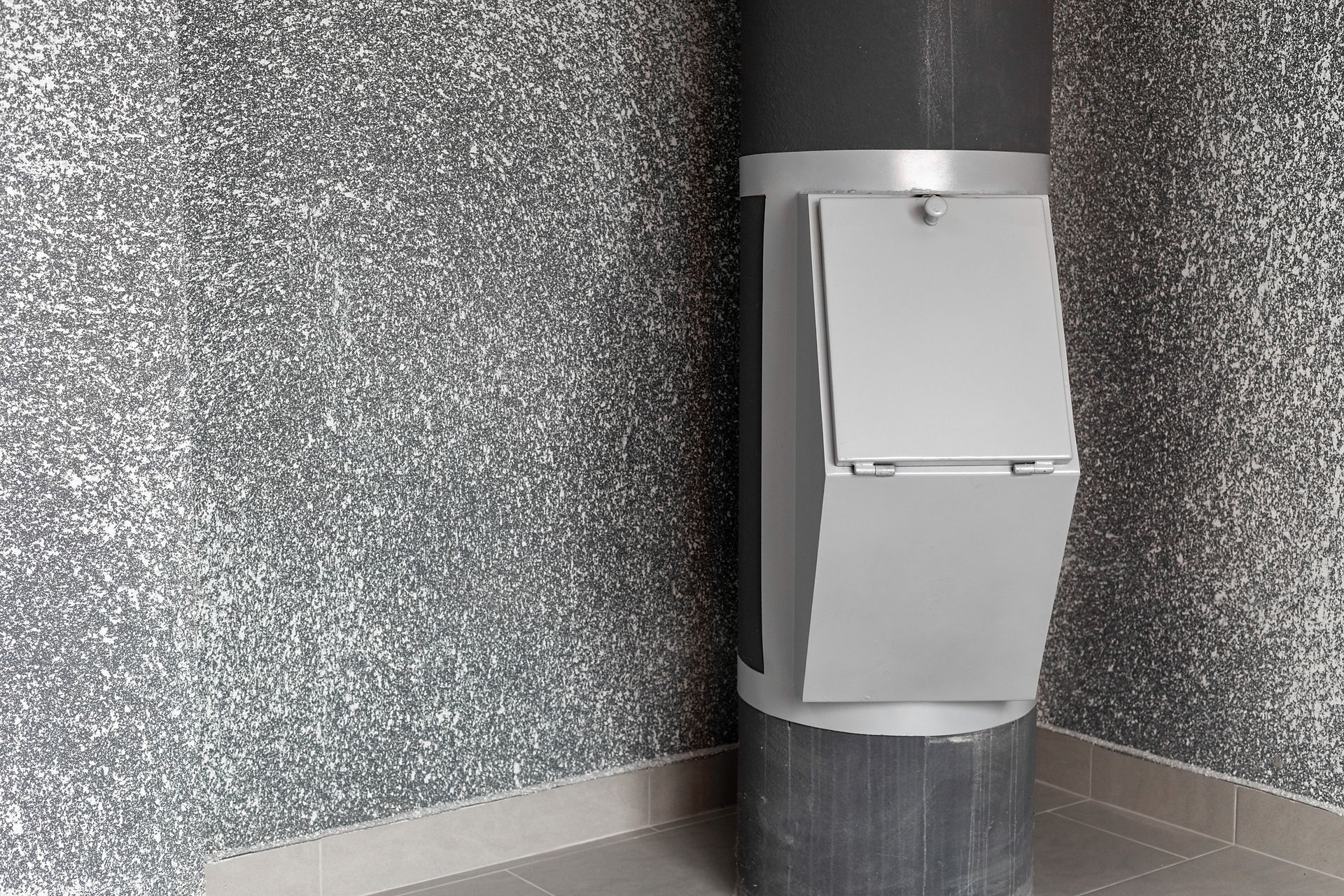
Proper design of linen chutes is central to their functionality in large facilities. Design influences not only the operation but also the safety and maintenance of the system. A well-designed chute minimizes blockages and wear caused by frequent use. Adequate sizing, slope, and alignment ensure linen moves efficiently without snagging or jamming. Enhanced design features can significantly reduce maintenance efforts and extend the system's lifespan.
Equally important is the incorporation of safety features within the design. Fire doors and smoke detectors can be integrated to align with safety regulations. The structure should support easy access for maintenance while being securely sealed to prevent unauthorized access. Ergonomic design considerations further enhance usability and safety for operational staff. These design strategies collectively ensure a balance between safety and operational efficiency.
Modern chute systems focus on user-friendly designs and innovative technologies. Automation options, such as sensors that signal when the chute is nearly full, enhance operational efficiency. These upgrades can optimize labor by automating routine tasks like laundry collection scheduling. According to Building Operating Management, a proper linen chute installation can reduce laundry handling labor time by 35%. This efficiency gain emphasizes the importance of thoughtful chute design in large-scale operations.
Material selection is another crucial consideration in linen chute design. Durable materials such as stainless steel can resist wear and corrosion, ensuring longevity. Stainless steel offers an additional advantage of easy maintenance, as its smooth surface discourages the accumulation of grime and pathogens. Additionally, the use of fire-resistant materials enhances safety and aligns with regulatory requirements. Material choice directly impacts the chute's resilience and performance over time.
In addition to durability, materials must support the facility's sanitation needs. Non-porous materials are preferred to minimize the risk of microbial growth and maintain hygiene standards. Materials that withstand frequent cleaning without degradation also offer long-term value. Facilities must balance cost considerations with the need for high-quality construction materials. Such decisions impact both initial installation expenses and ongoing maintenance costs.
Emerging materials technology offers innovative options for chute construction. Composite materials that mimic the durability of metallic options while reducing weight are becoming popular. These materials also offer enhanced safety profiles by incorporating fire-retardant and anti-microbial properties. By choosing advanced materials, facilities can reduce wear-and-tear while optimizing functionality. Progressive materials selection can therefore enhance both operation and compliance.
During a proper linen chute installation, integration into existing structures will be given care and consideration. Facilities must assess the available vertical and horizontal space to determine optimal chute placement. Adequate space allows for proper chute alignment and smooth linen transfer. The integration requires collaboration between architects, engineers, and facility managers to ensure compatibility with existing structural elements. Effective spatial planning helps mitigate unforeseen installation issues and enhances overall efficiency.
Complying with Codes and Regulations
Compliance with local building codes is a prerequisite for a successful linen chute installation. Each jurisdiction may have certain construction criteria, including dimensional and material standards. Gaining a thorough understanding of local regulations assists in avoiding costly compliance issues. Regulatory analysis should be part of the preliminary project planning phase. Accurate interpretation and application of these codes ensure a smooth and successful installation process.
It is crucial to remain up-to-date with changes or amendments in local building codes. Regular communication with municipal offices or dedicated compliance consultants can provide insights into regulatory trends. Collaboration with industry experts simplifies the compliance verification process. Failure to adhere to codes can lead to penalties, project delays, or operational interruptions. Early planning and expert consultation ensure adherence to prevailing regulations and standards.
Engaging legal and technical professionals is invaluable in navigating complex compliance landscapes. Collaboration aids in interpreting nuanced code applications specifically to linen chutes. Facilities may benefit from investing in compliance software solutions that keep track of code changes. By proactively engaging with compliance stakeholders, facilities position themselves for operational success. Strategic compliance planning supports smoother installations and prolonged functional viability.
Health and safety regulations are integral to the safe operation of linen chutes in large facilities. Compliance involves evaluating potential hazards and implementing preventive measures. Chutes must meet sanitary standards to prevent microbial contamination, often through rigorous cleaning protocols. Regular audits of operational environments ensure alignment with health standards, safeguarding both employees and users. This practice fosters a safe and compliant facility throughout its operational lifespan.
Understanding relevant health standards is crucial to facility design and management. Facilities can benefit from adopting industry best practices in health compliance, like seamless chute surfaces that discourage germ accumulation. Preventive maintenance programs can be designed to target common health and safety challenges. By doing so, facilities minimize risk exposure and enhance operational control. Clear procedural documentation supports consistent practice adherence.
Engagement with health and safety professionals supports robust compliance strategies. Appointing dedicated compliance officers or consultants can facilitate ongoing adherence to changing regulations. Training programs tailored to staff roles enhance understanding of safe chute operation and handling. Integrated compliance strategies promote workplace safety culture and reduce incident rates. Such systematic approaches ensure that health and safety compliance enriches facility quality.
Adhering to fire safety standards during a linen chute installation is non-negotiable. Fire-resistant materials, smoke detectors, and automatic door closers are essential design features. Achieving recognized fire safety certifications reinforces facility credibility and security assurance. Certification processes usually involve rigorous safety audits and testing to confirm standards compliance. These reassure stakeholders about the commitment to safety.
Planning and Project Management
Effective project planning structures a successful linen chute installation by establishing clear scope and objectives. Steering initial discussions towards identifying essential requirements helps prioritize tasks. This phase demands precise alignment with overarching facility strategies to ensure resource maximization. Detailed project scopes set the groundwork for realistic timelines, budgets, and deliverables. Clear objectives enable cohesive stakeholder engagement and collaboration.
Management relies on project scope clarity to orchestrate integrated installation strategies. Clarity minimizes scope creep and maintains control over operational variables. Documenting objectives aligns cross-functional teams, guiding decision-making processes throughout project execution. The scope must reflect stakeholder consensus to ensure sustained buy-in across project stages. Articulating precise project parameters strengthens planning foundations.
Overall facility goals should direct scope development and objective formation. Standards alignment, safety requirements, and future expansion considerations shape these foundational plans. Facilities benefit from inclusive planning, where diverse stakeholder input refines objectives. This incorporation promotes organizational alignment and cohesion. Grounded by clear scope and objectives, projects establish pathways to strategic success.
Budget estimation is a decisive aspect of initiating a linen chute installation. Accurately forecasting costs ensures that financial resources align with project needs. A thorough breakdown of anticipated expenses aids in identifying potential cost-saving measures. Itemizing costs also allows for strategic allocation of resources to prioritized areas. Analyzing financial forecasts from comparable projects guides reliable budget estimation.
Cost management extends beyond initial budget creation to encompass ongoing financial oversight. Establishing contingency funds anticipates unexpected expenditures that could impact project progression. Through collaboration with financial consultants, facilities control budget adherence, preventing discrepancies. Economic analysis via monitoring tools supports effective cost management strategies. Budget control complements project stability and implementation success.
Our understanding of real-time financial management benefits is enriched by technological advancements. Project management platforms enable dynamic oversight, facilitating immediate responses to fiscal challenges. Facilities implementing these tools optimize budget control while executing effective chute installations. Advanced cost management strategies enhance transparency and regulatory conformity across budgeting components. Leveraging proactive management aids in controlled financial decision-making.
Efficient timeline development and scheduling are fundamental to orderly linen chute project management. Creating a comprehensive schedule captures milestones and task interdependencies vital to project progression. Time management ensures the prompt allocation of resources, supporting seamless installation sequences. Facilities should coordinate scheduling with vendor timelines to synchronize external dependencies. Realistic timeline constructs diminish disruptions, allowing collaborative decision-making. If your business needs linen chute installation or service, contact GP Systems Inc today.