June 18, 2026
Apartment communities generate significant amounts of waste every day. From household trash and packaging materials to discarded food containers and other refuse, property managers must handle a continuous flow of waste while maintaining a safe and attractive environment for residents. Effective waste management is essential for supporting both cleanliness and operational efficiency within multifamily buildings.
As apartment populations grow, waste accumulation can become increasingly difficult to manage without the proper equipment. Overflowing dumpsters, cluttered trash rooms, and frequent collection needs can create challenges for both residents and property staff. Implementing modern waste handling solutions helps address these concerns while improving the overall living environment.
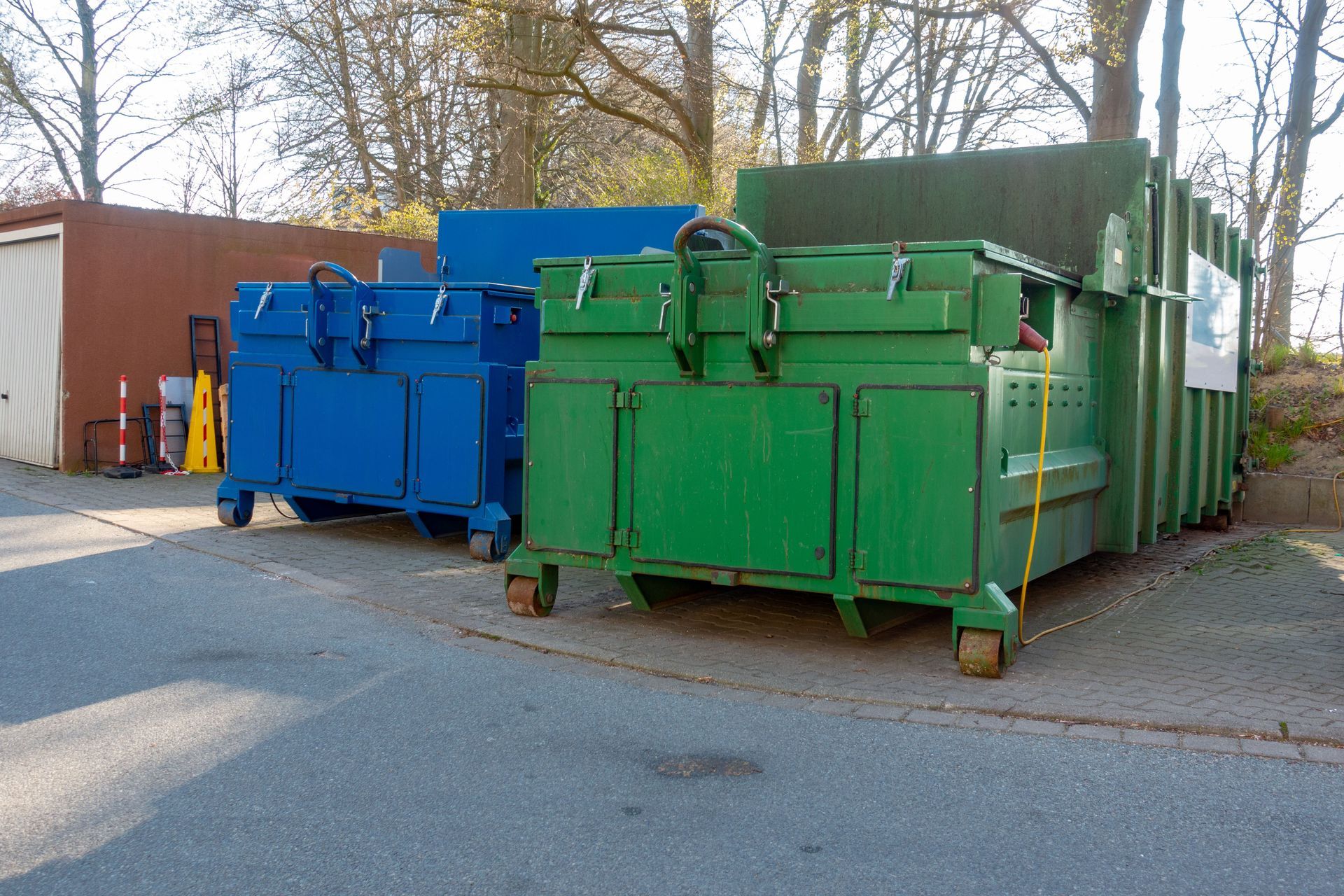
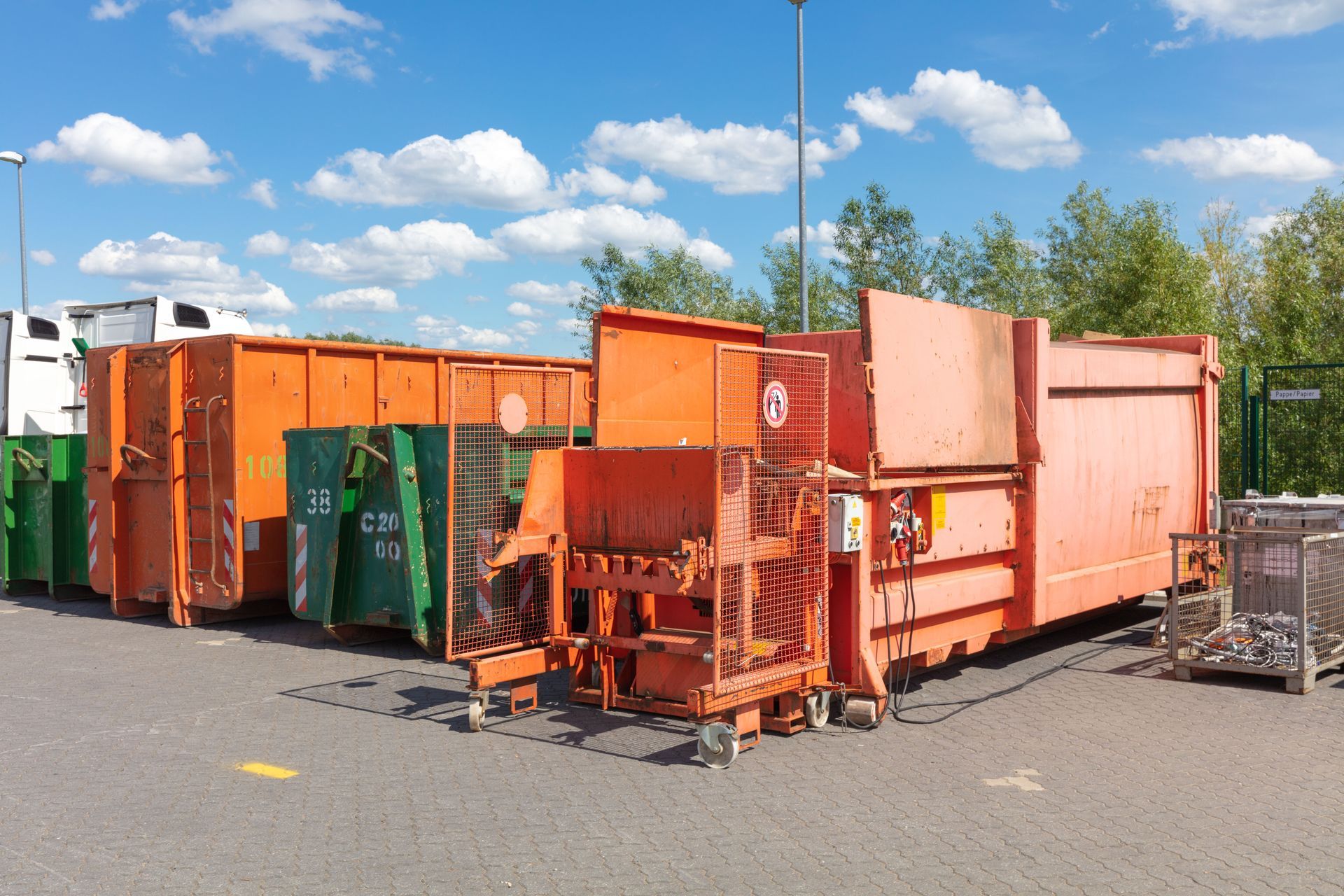
An apartment building compactor provides a practical way to manage large volumes of waste more efficiently. By reducing the volume of trash before collection, compactors help properties maintain cleaner waste areas and improve daily operations. These systems have become an important component of waste management strategies in many multifamily communities.
Reducing Waste Volume Through Efficient Compaction
One of the primary benefits of a compactor system is its ability to significantly reduce the amount of space occupied by waste. Trash naturally accumulates quickly in apartment communities, especially in larger buildings with hundreds of residents. Without compaction, waste containers can reach capacity much faster than expected.
Compaction technology compresses waste materials into a denser form, allowing more trash to fit within the designated collection area. This process helps reduce overflow issues while maximizing available waste storage capacity. As a result, property managers can maintain more organized waste handling operations.
An apartment building compactor helps support cleaner waste management areas by minimizing loose trash and reducing the frequency of overflowing containers. This improved organization contributes to a more pleasant environment for both residents and staff. Effective compaction also helps streamline daily property maintenance efforts.
Improving Property Cleanliness Through Better Waste Control
Cleanliness is one of the most important factors influencing resident satisfaction and property appearance. Waste accumulation in common areas can negatively affect both the visual appeal and overall atmosphere of an apartment community. Maintaining clean and organized waste management spaces helps support a more positive living environment.
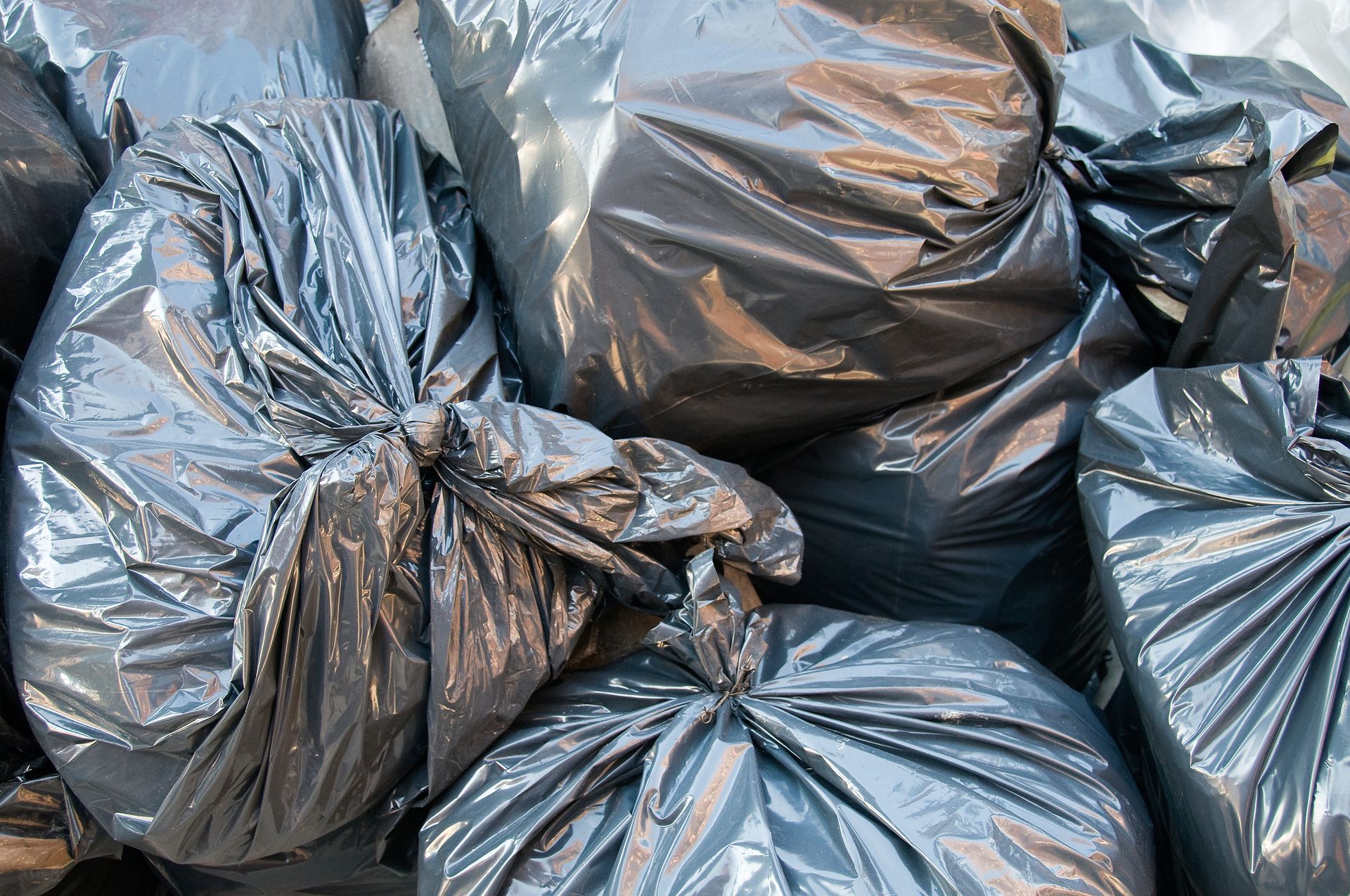
When trash containers become overcrowded, waste may spill onto surrounding surfaces and create unsanitary conditions. Overflowing garbage can also attract unwanted pests and contribute to unpleasant odors. Preventing these issues requires consistent waste control measures and adequate storage solutions.
An apartment building compactor helps improve cleanliness by keeping waste contained and reducing the likelihood of overflow. By compressing trash efficiently, the system allows waste rooms and disposal areas to remain more orderly throughout the collection cycle. Cleaner waste areas contribute to a more professional and well-maintained property appearance.
Enhancing Resident Safety Through Organized Disposal Areas
Safety is a critical concern in any multifamily housing environment. Cluttered trash areas can create trip hazards, obstruct walkways, and make it more difficult for residents and staff to navigate disposal spaces safely. Proper waste management plays an important role in minimizing these risks.
Loose bags, overflowing containers, and scattered debris can increase the potential for accidents within waste handling areas. These conditions may also make routine cleaning and maintenance more challenging for property staff. Maintaining organized disposal spaces supports safer daily operations throughout the building.
An apartment building compactor helps improve safety by reducing clutter and keeping waste properly contained. With less loose trash accumulating around collection areas, residents and maintenance personnel can move through these spaces more safely. Organized waste management contributes to a cleaner and more secure property environment.
Minimizing Odors Through Controlled Waste Containment
Odor control is another important aspect of maintaining a comfortable apartment community. As waste accumulates, organic materials can begin to decompose, producing unpleasant smells that affect nearby common areas. Effective waste containment helps minimize odor-related concerns.
Poorly managed waste storage areas may allow odors to spread throughout hallways, loading zones, or outdoor gathering spaces. These conditions can negatively impact resident satisfaction and create a less appealing environment overall. Proper waste management systems help reduce these challenges.
An apartment building compactor supports odor control by containing waste more effectively and reducing exposure to open garbage. Compacting trash into a smaller, enclosed space helps limit the spread of odors while supporting cleaner waste handling practices. This contributes to a more pleasant experience for everyone within the property.
Supporting Pest Prevention Through Better Waste Management
Waste accumulation often attracts pests searching for food and shelter. Rodents, insects, and other unwanted pests are commonly drawn to overflowing trash areas where food waste and debris are easily accessible. Maintaining cleaner waste storage conditions can help reduce these attractants.
Property managers frequently prioritize pest prevention because infestations can affect resident comfort and increase maintenance demands. Proper waste handling is one of the most important components of an effective pest management strategy. Controlling access to food sources helps discourage pest activity.
An apartment building compactor assists with pest prevention by reducing exposed waste and keeping trash more securely contained. By minimizing loose debris and overflow conditions, compactors help create a less attractive environment for pests. Improved waste control supports healthier and cleaner property conditions.
Streamlining Waste Collection Through Improved Efficiency
Managing waste collection schedules can be challenging for apartment communities with high occupancy levels. As waste volume increases, collection containers may require more frequent servicing to prevent overflow and maintain cleanliness. Efficient waste handling systems help reduce these operational pressures.
Compaction allows properties to store larger amounts of waste within the same collection area by reducing overall volume. This increased capacity can help optimize collection schedules and improve the efficiency of waste management operations. Property staff can focus on other maintenance priorities when waste handling becomes more streamlined.
An apartment building compactor contributes to improved efficiency by maximizing available storage capacity between collection cycles. This helps support smoother waste management processes while maintaining cleaner disposal areas. Operational improvements benefit both property management teams and residents alike.
Supporting Sustainability Through Waste Reduction Efforts
Sustainability has become an increasingly important consideration for many residential communities. While compactors do not reduce the amount of waste generated, they can help improve the efficiency of waste handling and transportation processes. Better waste management supports broader environmental goals.
According to the Global Waste Index via Sensoneo, the United States municipal solid waste output is the highest in the world, with roughly 2.6 kilograms of waste produced per person per day. This statistic highlights the ongoing challenge of managing large volumes of waste across residential and commercial environments. Multifamily properties play an important role in addressing these waste management demands.
An apartment building compactor supports sustainability initiatives by improving waste containment and optimizing collection logistics. More efficient waste handling can contribute to cleaner operations and better resource utilization throughout the property. These benefits align with many modern environmental management objectives.
Improving Property Operations Through Reliable Equipment
Property managers are responsible for balancing resident needs, building maintenance, and operational efficiency. Waste management systems that function reliably help support these responsibilities while reducing day-to-day challenges. Consistent equipment performance contributes to smoother property operations.
Modern compactor systems are designed to handle the demands of multifamily communities where waste generation remains constant. Their ability to process large volumes of trash helps maintain orderly disposal areas and support efficient maintenance workflows. Reliable waste management equipment can have a positive impact on overall property performance.
At GP Systems Inc, we understand the importance of dependable waste handling equipment for multifamily properties. We provide
apartment building compactor solutions designed to support cleaner, safer, and more efficient waste management operations. Our team is committed to helping property managers improve their facilities with reliable equipment that enhances both resident satisfaction and overall property performance.