April 6, 2026
Managing waste in high-rise buildings presents unique challenges. From residential towers to mixed-use office complexes, transporting recyclables from multiple floors to a central collection point can be labor-intensive, time-consuming, and prone to errors. For building managers, the goal is simple: make recycling effortless for tenants while keeping operational costs low. Installing recycling chutes offers a streamlined solution that simplifies collection, encourages tenant participation, and boosts overall recycling systems. By centralizing disposal and separating materials at the source, recycling chutes create a system that benefits both building operations and sustainability goals.
Enhancing Tenant Participation Through Convenience
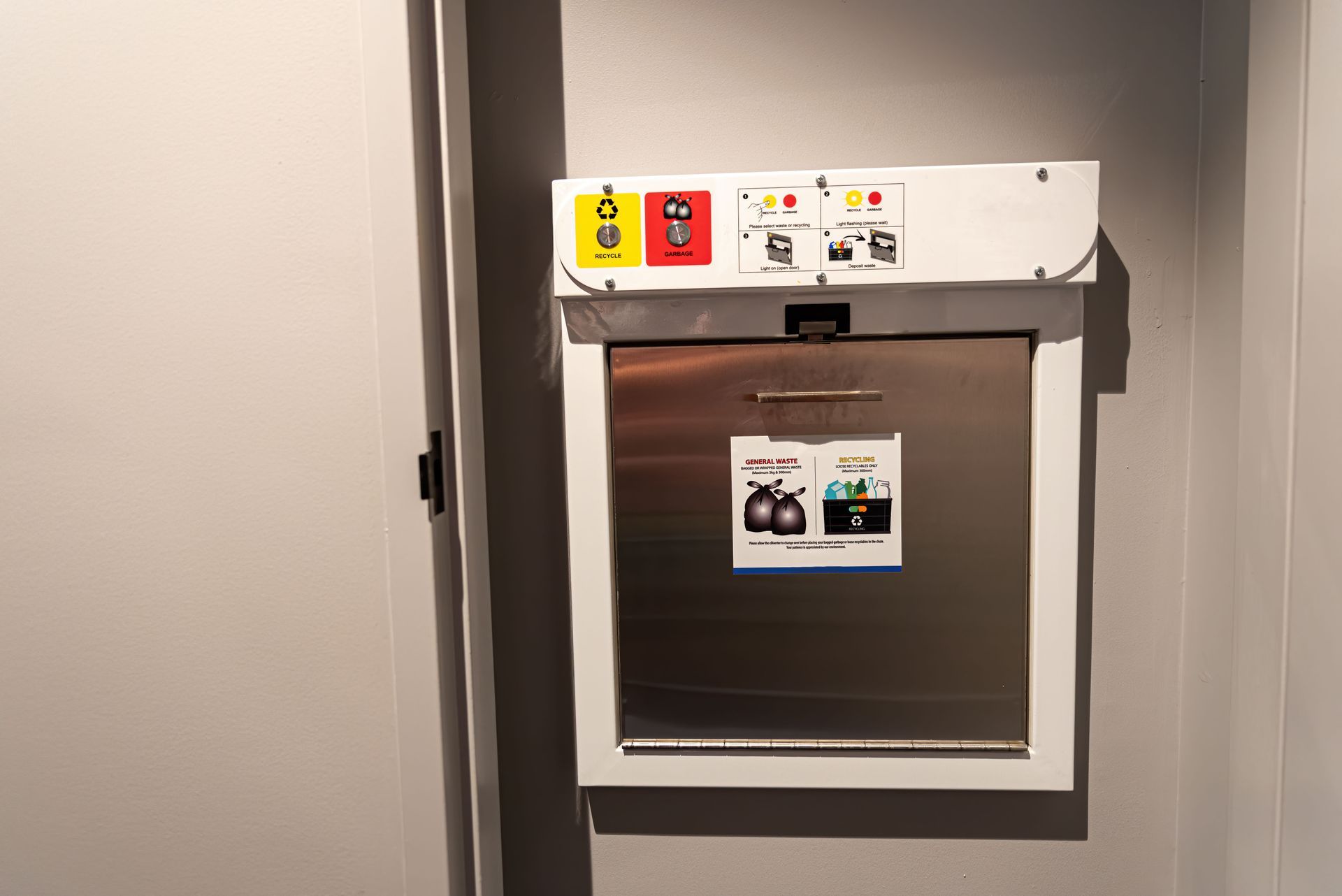
One of the most significant challenges in high-rise recycling systems is getting tenants to consistently participate. Recycling chutes address this by offering an accessible, easy-to-use method for depositing recyclables directly from each floor. Instead of carrying materials down multiple flights of stairs or relying on limited central bins, tenants can quickly dispose of paper, plastic, glass, and metal into dedicated chutes. According to FacilitiesNet, recycling systems in commercial buildings improve recycling rates by about 40%. For building managers, this convenience translates into higher tenant engagement, reduced contamination of recyclables, and a more reliable program overall.
Reducing Operational Complexity and Labor Costs
Managing recyclables in high-rise buildings without dedicated chutes often requires staff to collect, sort, and transport materials manually. This adds labor costs and increases the risk of errors or missed collections. Recycling chutes simplify this process by funneling materials directly to central collection areas. Fewer trips and less manual handling reduce staff workload, minimize potential safety hazards, and allow building operations to run more efficiently. Over time, the savings in labor and maintenance costs can offset the initial investment in chute installation.
Improving Recycling Accuracy and Material Recovery
Contamination is a major concern in recycling programs, especially in multi-tenant buildings. When recyclables are mixed with general waste, they may be rejected by processing facilities. Recycling systems using chutes encourage source separation, ensuring that paper, plastics, metals, and glass remain uncontaminated. With cleaner materials, building managers can achieve higher recycling rates and maximize the recovery value of recyclables. This also helps buildings meet sustainability benchmarks, supports green building certifications, and strengthens corporate responsibility initiatives.
Supporting Sustainability Goals and Compliance
High-rise buildings are increasingly expected to meet environmental standards, whether for regulatory compliance, green building certifications, or corporate sustainability programs. Recycling chutes align with these goals by making it easier to divert waste from landfills and track recycling performance. Building managers can demonstrate measurable improvements in recycling rates, reduced landfill contributions, and tenant engagement, all of which contribute to a building’s environmental profile and public image.
Streamlining Space Management and Facility Design
Space is often at a premium in high-rise buildings, particularly in central utility areas. Recycling systems using chutes consolidate waste collection into a single, vertical system, freeing up floor space that would otherwise be occupied by multiple bins or carts. By integrating chutes into stairwells or service corridors, building managers can minimize disruption to tenants while maintaining a tidy and organized collection area. Efficient space use also allows for easier access by waste management services, improving operational flow and reducing downtime during collection.
Enhancing Hygiene and Safety for Tenants and Staff
Recycling chutes are designed to maintain hygiene and minimize safety risks. Centralized disposal points reduce the need for tenants to carry recyclables through common areas, lowering the likelihood of spills or accidents. Regular cleaning protocols and well-ventilated chute designs further prevent odors and bacterial growth. For building managers, this means fewer maintenance issues, safer hallways, and a more pleasant environment for tenants — all of which support higher participation and program longevity.
Preparing for Scalability and Future Needs
High-rise buildings evolve over time, whether through tenant turnover, increased occupancy, or new sustainability requirements. Recycling chutes offer scalability to accommodate these changes. Modular chute designs allow for additional units or bin adjustments without extensive structural modifications. By planning for flexibility, building managers ensure that their recycling systems remain effective and compliant with evolving environmental regulations and tenant expectations.
Simplifying Tenant Education and Communication
Educating tenants about proper recycling practices is easier when a clear, organized system is in place. Recycling chutes allow building managers to provide consistent guidance with color-coded bins, clear signage, and dedicated materials for paper, plastics, metals, and glass. By standardizing the process, tenants can quickly understand what goes where, reducing confusion and contamination. Simplified communication also makes onboarding new residents or office tenants easier, ensuring that participation remains high over time. With fewer mistakes and more consistent behavior, managers can maintain cleaner collection areas and achieve better recycling systems throughout the building.
Reducing Collection Frequency and Transportation Costs
High-rise recycling often requires multiple trips to transport recyclables to central processing areas. With recycling chutes, materials are funneled directly to a consolidated collection point, reducing the need for frequent handling. This minimizes transportation time within the building and decreases fuel, labor, and equipment costs for building staff or contracted waste management services. Less frequent collection also reduces disruption in hallways and common areas, improving tenant satisfaction. Over time, these operational efficiencies translate into significant cost savings, making recycling chutes an investment that improves both environmental impact and the building’s bottom line.
Minimizing Environmental Footprint
Recycling chutes help high-rise buildings reduce their environmental footprint by increasing the volume of materials properly diverted from landfills. With efficient separation and collection at the source, recyclable materials maintain higher quality for processing, supporting a circular economy. Properly managed recycling programs also reduce greenhouse gas emissions associated with waste transportation and disposal. For building managers, this contributes to corporate sustainability goals and can support environmental reporting or certifications. By implementing a system that simplifies tenant participation, buildings can demonstrate measurable, long-term ecological benefits while encouraging environmentally responsible behavior among residents and office occupants.
Enhancing Operational Transparency and Reporting
Modern recycling systems often include monitoring tools that allow building managers to track participation, material volumes, and contamination rates. Recycling chutes paired with data reporting provide insights into tenant behavior, peak usage periods, and areas for improvement. Transparent metrics allow managers to make informed decisions about staffing, collection schedules, and program adjustments. They also make it easier to report progress to stakeholders, property owners, or sustainability auditors. By leveraging this operational visibility, managers can continually refine their recycling program to maximize efficiency, reduce waste, and showcase the building’s environmental commitment to tenants and external partners.
Improving Tenant Satisfaction and Community Reputation
High-rise tenants increasingly expect environmentally conscious amenities as part of their living or working experience. A well-designed recycling system demonstrates a building’s commitment to sustainability and convenience, which can improve tenant satisfaction and retention. Recycling chutes also reduce clutter and odor in common areas, contributing to a cleaner, safer environment. For commercial properties, these features can enhance corporate reputation and attract environmentally conscious tenants or clients. By simplifying recycling for occupants, building managers not only support environmental goals but also strengthen the overall perception of the property as responsible, forward-thinking, and attentive to tenant needs.
For building managers, recycling chutes offer a practical, cost-effective solution for high-rise waste management. They simplify the recycling process for tenants, reduce operational complexity, improve material recovery, and support sustainability initiatives. By centralizing collection, maintaining hygiene, and integrating smart features, recycling chutes create a program that is both efficient and tenant-friendly.
At GP Systems Inc, we understand the challenges of managing recycling in high-rise buildings. We are committed to helping you implement recycling systems that maximize efficiency, simplify tenant participation, and achieve measurable environmental results. Contact us today to explore solutions that will elevate your building’s recycling program and deliver long-term operational benefits.