May 7, 2026
Maintaining a clean and welcoming atmosphere in a high-density residential or commercial building is a multifaceted responsibility that directly impacts tenant satisfaction and property value. When waste rooms are neglected, organic decomposition leads to the release of volatile organic compounds, methane, and ammonia, creating an environment that is both unpleasant and unsanitary. A professional compactor service provides a proactive framework to neutralize these issues before they escalate into building-wide complaints. By transitioning from reactive waste hauling to a structured, compressed management system, facilities can maintain a pristine atmosphere that supports a healthy living or working space for everyone involved.
Identifying and Neutralizing Foul Odors
The primary catalyst for waste-room stench is the rapid breakdown of organic matter, which thrives in the stagnant air of a utility space. In enclosed areas, high temperatures and humidity levels accelerate microbial activity, leading to the swift generation of foul-smelling gases. According to Biocycle, the United States generated about 951 kilograms of municipal solid waste per person per year in 2025, up from 811 kg in 2022, highlighting how much more waste apartment buildings must handle today versus a few years ago. This surge in volume makes manual management nearly impossible without specialized industrial equipment.
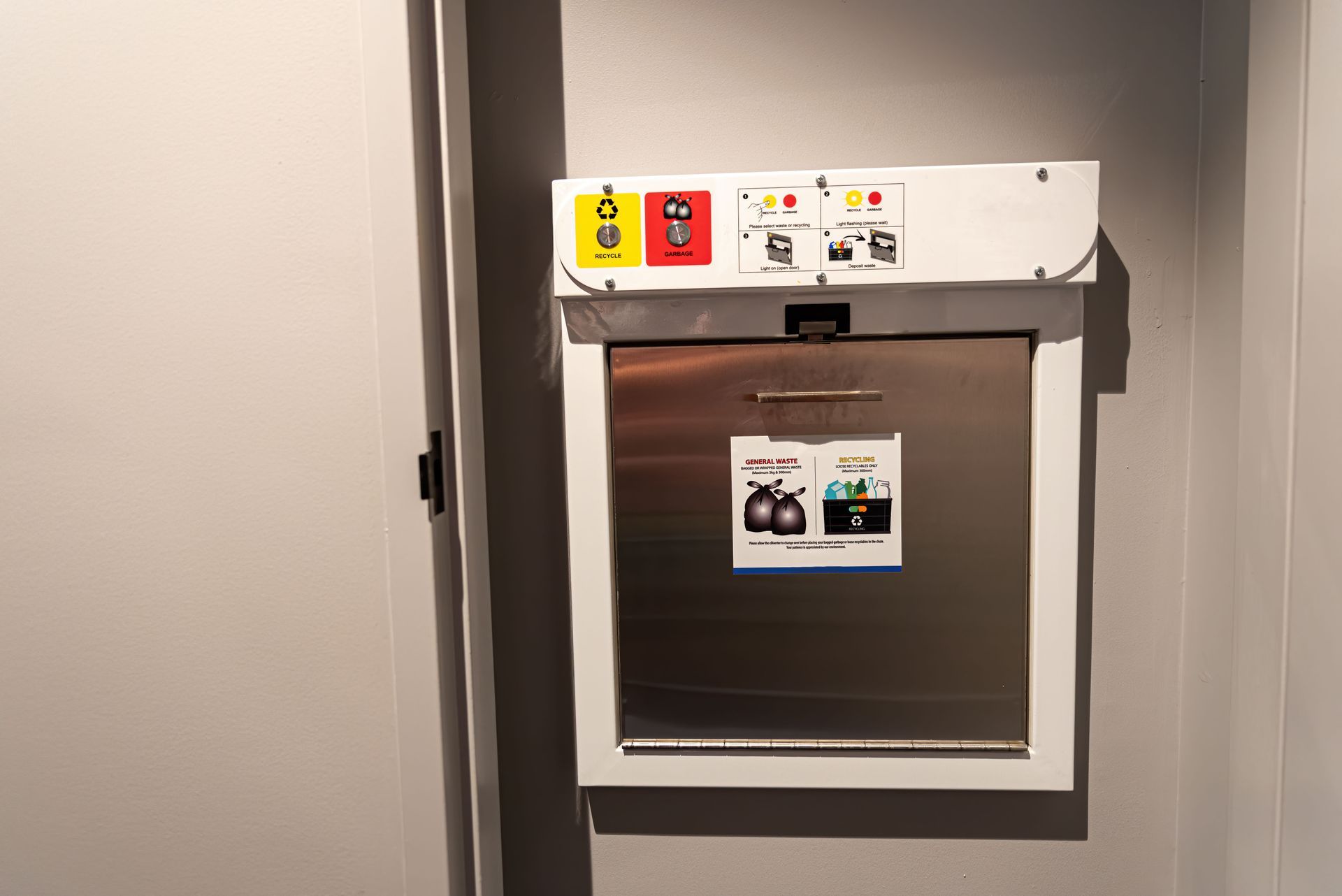
Utilizing a consistent compactor service ensures that waste is not left to stagnate in open-air bins for days on end. When trash is compressed immediately, the internal surface area exposed to oxygen is drastically reduced, which significantly slows the aerobic decomposition process. Modern units often feature airtight seals and integrated deodorizing systems that dispense neutralizing agents directly onto the waste. This systematic approach prevents the "chimney effect," where rising smells travel through trash chutes and permeate the hallways of upper floors.
Beyond simple compression, advanced odor control often involves chemical neutralizers that break down molecules rather than just masking them. Regular servicing ensures these canisters are always full and the spray nozzles remain unclogged. By managing the biological reality of trash at the point of entry, building managers can eliminate the root causes of tenant dissatisfaction. This creates a more professional environment and ensures that the first impression of a property isn't defined by the smell of its utility rooms.
Optimizing Facility Waste Volume
Efficient space utilization is a secondary but vital benefit of regular compaction, especially in urban environments where square footage is at a premium. In many developments, waste rooms are limited in size, leading to overflow and increased pest activity when traditional bins are used. By implementing a compactor service, facilities can reduce the physical footprint of their trash by a ratio of up to four-to-one. This reduction allows for a cleaner floor plan and prevents the accumulation of loose debris that often traps moisture and feeds bacterial growth on the floor.
Regularly scheduled cycles ensure that the equipment never reaches a point of mechanical failure due to overfilling or material jams. When a compactor is managed professionally, it undergoes routine checks to ensure hydraulic lines, press plates, and electrical components are functioning at peak efficiency. This prevents the catastrophic downtime that leads to trash backups- a primary cause of emergency odor spikes and tenant frustration. A reliable compactor service schedule keeps the logistics of waste removal invisible to the residents, maintaining the high aesthetic and sensory standards expected of modern luxury properties.
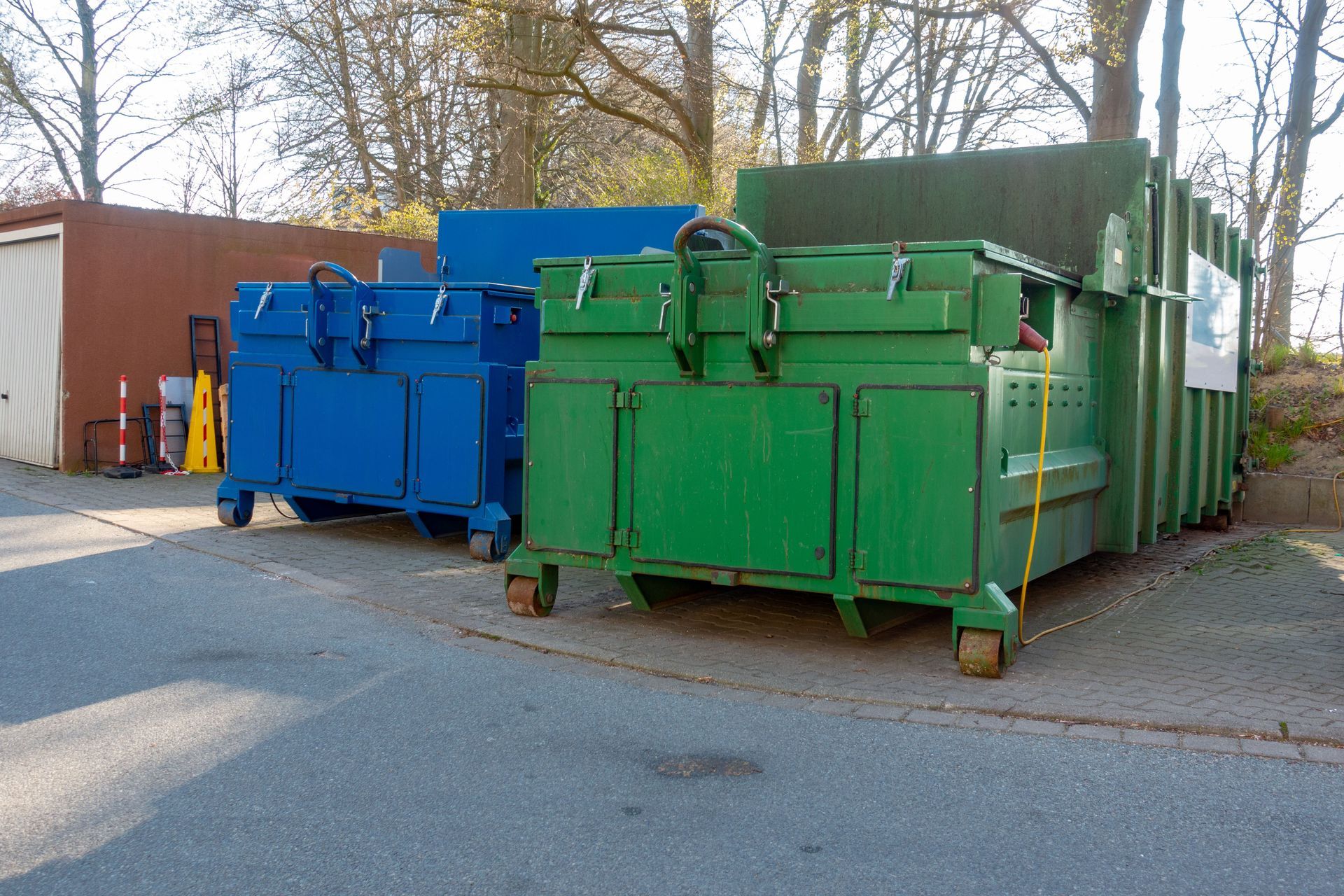
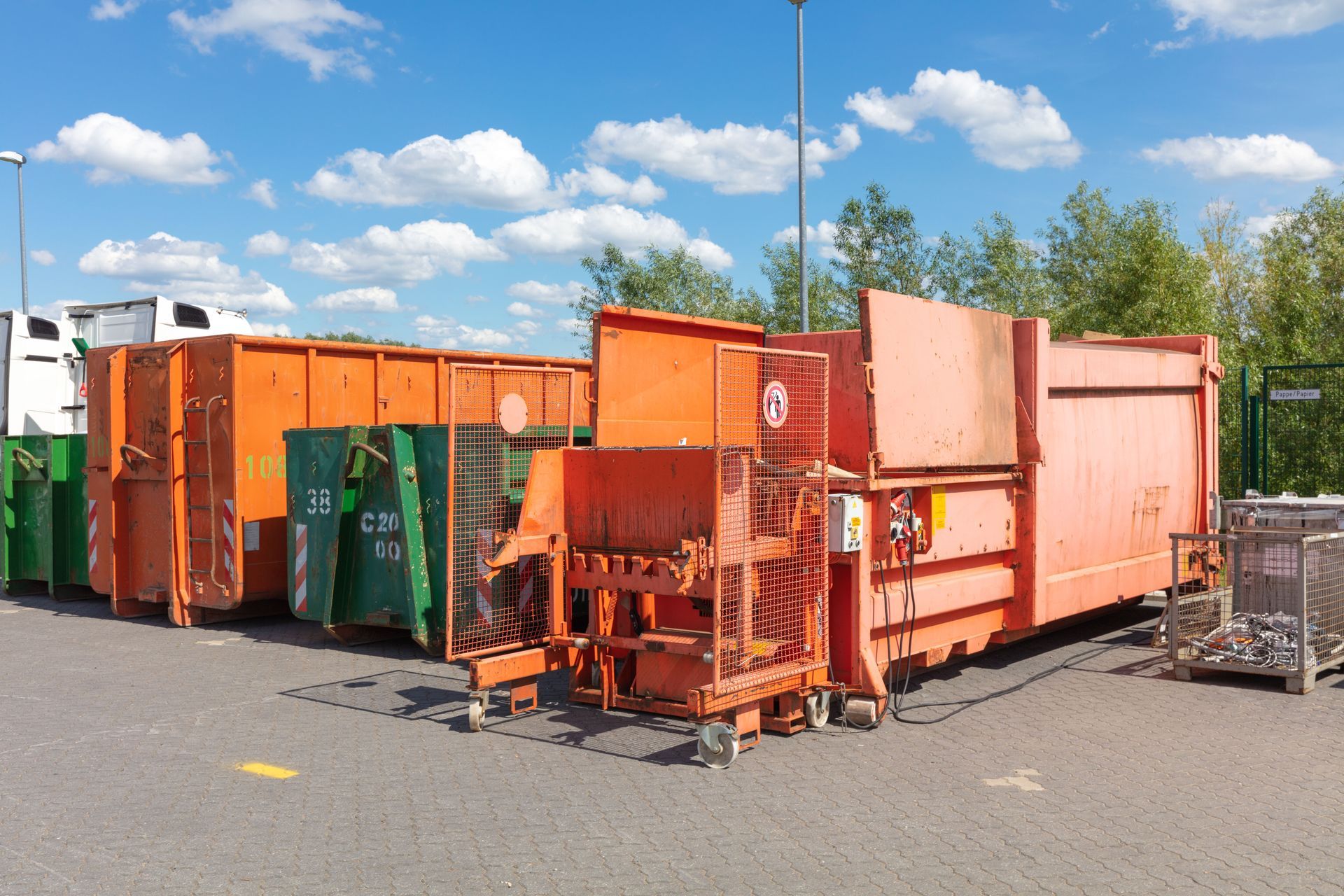
Furthermore, managing volume through compaction allows for better organization of the entire loading dock area. Instead of dozens of individual bins scattered around, a single high-capacity unit can handle the same load, freeing up space for deliveries or maintenance equipment. This organization reduces the "clutter factor," which is often where dust and mold spores accumulate. By keeping the waste room organized and the volume low, the property remains easier to clean and much harder for odors to find a permanent home.
Reducing Operational Expenses and Labor
The financial advantages of a compressed waste strategy are found in the dramatic reduction of haul-away frequency and associated administrative costs. Because compacted trash takes up significantly less volume, properties require fewer pickups from external waste management companies, which often charge per visit. This shift not only lowers fuel surcharges and carbon footprints but also protects the building's pavement and loading docks from the wear and tear caused by heavy garbage trucks. Integrating a compactor service into the monthly budget often pays for itself through these long-term logistical savings and reduced maintenance on the building's infrastructure.
Furthermore, onsite staff can redirect their energy toward property maintenance and resident requests rather than manual trash hauling and bin cleaning. Automated compaction systems handle the heavy lifting, reducing the risk of workplace injuries, such as back strains or exposure to sharp objects, and lowering labor costs. By streamlining the collection process, the facility becomes more self-sufficient and less dependent on the unpredictable schedules of third-party haulers. This control allows for better budget forecasting and a more resilient waste management infrastructure that can handle seasonal spikes in trash production.
Improving Health and Safety Standards
Beyond the obvious smell, stagnant waste is a significant health hazard that can lead to regulatory fines and liability issues. Accumulated trash attracts vermin and insects, which can carry pathogens into residential areas and cause structural damage to the building. A professional compactor service mitigates these risks by ensuring that all waste is contained in heavy-duty, puncture-resistant containers that are nearly impossible for pests to penetrate. The elimination of open-air trash piles removes the nesting grounds required for infestations to take root and flourish.
Safety is also enhanced through the reduction of fire hazards within the building's core. Loose cardboard and plastic are highly flammable, especially when stored in large quantities in a basement or utility room near electrical panels. Compacted waste is much harder to ignite due to the extreme density of the material and the lack of oxygen between the layers. By maintaining a clean and compressed waste room, property managers adhere to stricter fire codes and provide a much safer environment for everyone in the building. This comprehensive safety profile is a key deliverable of any high-quality compactor service.
Additionally, the hygiene of the air itself is improved when waste is properly managed. Mold spores and airborne bacteria from rotting food can enter the building's HVAC system if the waste room is not kept under control. Compaction minimizes the agitation of trash, which in turn reduces the number of particles released into the air. This protects the respiratory health of staff who work in the area and ensures that the air circulated throughout the rest of the building remains fresh and uncontaminated.
Maintaining Long-Term Equipment Health
Continuous improvement in waste management requires reliable machinery that can stand up to the rigors of daily use. Modern compactors are equipped with smart sensors that provide real-time alerts regarding fullness, pressure levels, and mechanical status. Partnering with a dedicated service team ensures that these technical features are utilized to their full potential, allowing for "just-in-time" pickups that maximize efficiency. Preventive maintenance prevents the corrosion caused by acidic liquids that can leak from uncompacted bags, extending the lifespan of the equipment and the facility’s floors.
The final layer of equipment health is the professional oversight provided by experts. A scheduled compactor service includes regular lubrication of moving parts, testing of safety interlocks, and structural inspections that an untrained eye might miss. This attention to detail prevents minor issues from becoming major, expensive repairs that could leave the building without a waste solution for days. By keeping the hardware in top shape, the building protects its investment and ensures a seamless, odor-free experience for years to come. For more information about the services that we offer, reach out to our incredible team at GP Systems Inc today!